How Artificial Intelligence (AI) is Transforming Cybersecurity
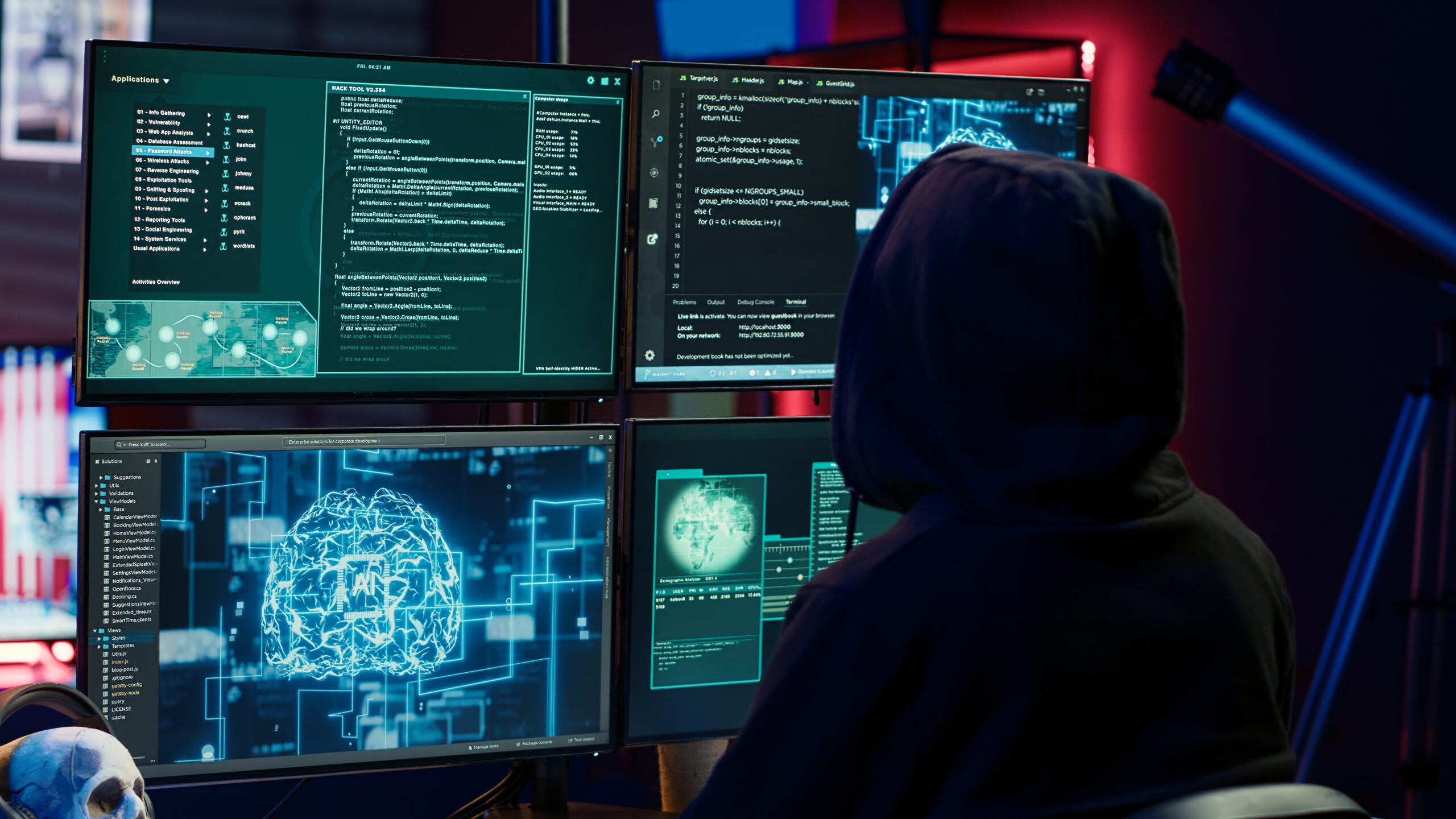
How AI Is Changing the Way Cybersecurity Teams Identify and Handle Threats
Security alerts can come in at any time. An employee might be working late, or someone may have stolen their password. The security team needs to identify what is happening and respond quickly. Now imagine a company receiving thousands of alerts like these every day. Checking each one manually takes time, and this is where Artificial Intelligence (AI) helps.
AI can analyse large amounts of activity and identify patterns. It helps security teams focus on activities that appear unusual, allowing potential warning signs to be noticed sooner. However, people still need to decide what those signs actually mean. Before you enrol in any cyber security certificate course, here is what you should know about the role of AI in modern cybersecurity.
Let’s Look at the Whole Picture, Not Just One Alert
Whether it is an email, login attempt or network connection, security data is generated across multiple sources. Tools called Security Information and Event Management (SIEM) platforms collect this information in one place. The challenge is identifying which events actually matter. An AI system can analyse several factors together, such as the user’s location, device, previous access history and the size of a file download.
AI systems can learn what normal activity looks like and flag deviations from those patterns. However, an alert is a reason to investigate further, not proof of an attack. A skilled analyst must check whether an employee was authorised to work late or has simply taken on new responsibilities.
Catch Threats That Keep Changing
Traditional security tools often search for known signs of an attack, such as previously identified malicious files, harmful web addresses and familiar attack patterns. These methods can still work well for detecting known threats.
AI adds another layer of analysis by examining behaviour. For example, a computer connecting to an unfamiliar website may not always indicate a security issue. However, when the same activity occurs alongside unusual login attempts and unexpected file access, it deserves closer attention. This approach can help teams identify compromised accounts and detect possible misuse of employee access.
The downside is that AI can also generate false alarms. A legitimate software update or a change in an employee’s routine may appear unusual to the system. Therefore, security teams should investigate alerts before taking action.
Where AI Is Used in Everyday Security
- Email and phishing protection
- Malware detection
- Endpoint protection
- Network monitoring
For deeper knowledge of these applications, consider enrolling in a professional cyber security certification course that covers practical security tools and techniques.
What Happens After a Threat Is Found?
Finding a threat is only the first step. If ransomware starts encrypting files, the security team needs to act before the damage spreads. Some security tools can isolate an affected device, block a network connection or temporarily disable an account. Security Orchestration, Automation and Response (SOAR) tools connect these actions, collect relevant information and notify the incident response team.
However, automation needs clear limits. Disconnecting an important server or locking out the wrong employee could interrupt business operations. Organisations must decide which actions require human approval and which can safely run automatically.
Other Ways AI Is Used
Honeypots
Honeypots are decoy systems designed to look like real servers, databases or other network resources without containing genuine company data. AI can help analyse attacker behaviour and adapt these decoys when someone attempts to break in. This gives security teams useful information about potential threats and attack techniques.
Deepfakes
A familiar voice on a phone call or a convincing video may no longer be enough to confirm someone’s identity. AI-based detection tools can analyse audio and video for signs of manipulation, although they cannot guarantee accurate detection in every situation. This is particularly important when a fraudulent instruction appears to come from a director or senior manager.
Log Reading
Logs record activities ranging from login attempts to system changes. However, reviewing large volumes of logs manually can take hours. AI can help connect events that might initially appear unrelated, such as a failed login, an unusual download and a new network connection. This helps analysts investigate suspicious activity more efficiently.
Zero Trust
The Zero Trust approach does not automatically trust a person or device simply because it is connected to the company network. Identity, device security and access requirements must all be considered. AI can help assess changing risks, while access policies determine what a user is allowed to do.
Biometrics and Fraud Detection
Facial recognition, fingerprints and voice recognition can help verify identity. In banking, AI can also flag payments that differ significantly from a customer’s usual spending patterns. However, inaccurate matches or poor-quality data can affect genuine users, so these systems require careful monitoring.
Access That Changes with the Situation
Access permissions should reflect changing circumstances. For example, if an employee tries to open sensitive files from a new device, the system might ask them to verify their identity again. In certain situations, access may also be temporarily restricted until the activity has been reviewed.
The Skills You Need
Cybersecurity professionals should understand computer networks, operating systems and common software vulnerabilities. They also need to know how to investigate incidents and respond to attacks. Without these fundamentals, an analyst may struggle to judge whether an alert generated by an AI tool represents a genuine threat.
Hands-on practice is equally important. If you are considering a cyber security course, do not focus only on the course title. Check how much time is dedicated to practical work and whether the training includes real-world security scenarios. A cyber security certificate course is more valuable when it helps learners develop skills they can apply in a workplace.
If you are looking for a cyber security course in Vadodara, review the syllabus and check which practical labs and tools are included before enrolling. The same applies when comparing IT training courses in Vadodara. Look for a programme that builds both technical knowledge and practical problem-solving skills.
A Final Thought
AI helps security teams analyse information faster and connect clues that might otherwise go unnoticed. However, it cannot replace careful investigation or a proper understanding of the systems being protected. The most effective security teams use AI as a support tool. Trained professionals are still responsible for making the decisions that matter.
Learn Cybersecurity with VTech Labs
If you want to start a career in cybersecurity, VTech Labs offers cybersecurity training to help you build relevant technical skills. Explore the course details and enquire about the next batch through the VTech Labs website.
back to blog